
Call us now :08045479224
 Send Inquiry
 Send Inquiry
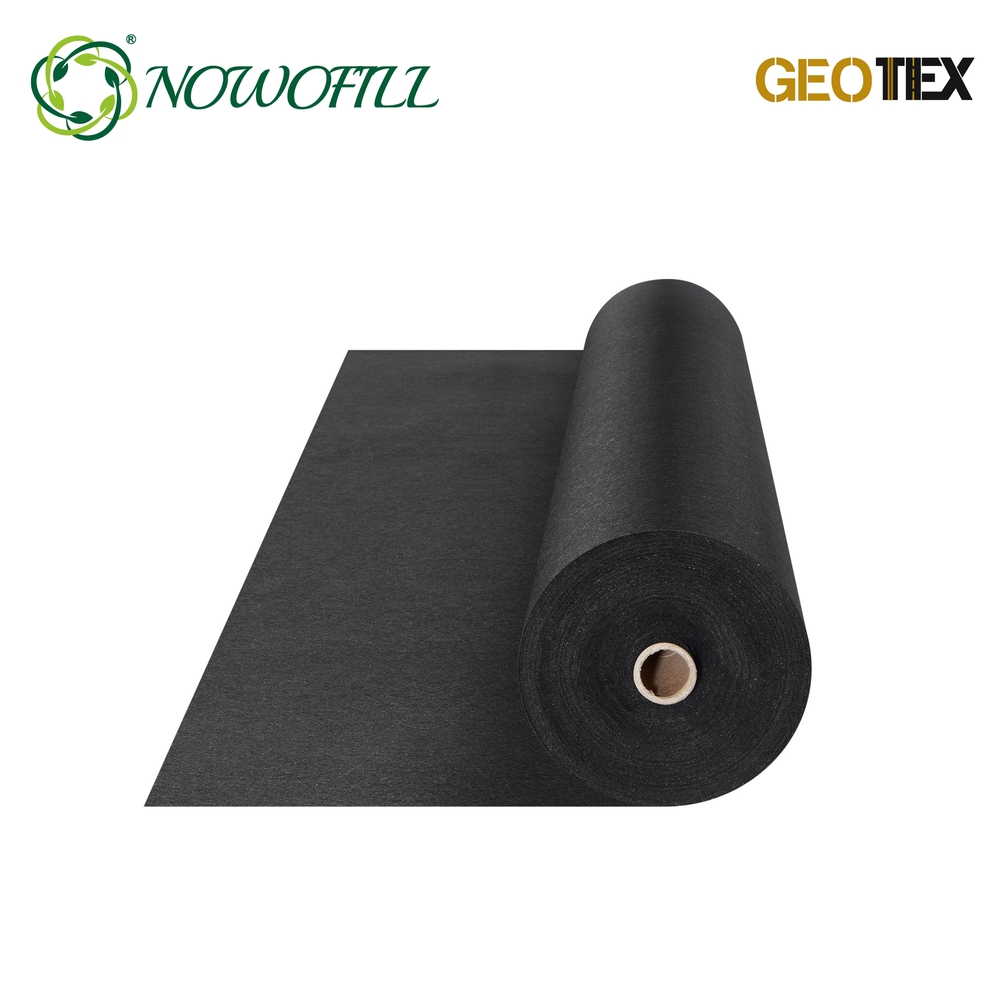
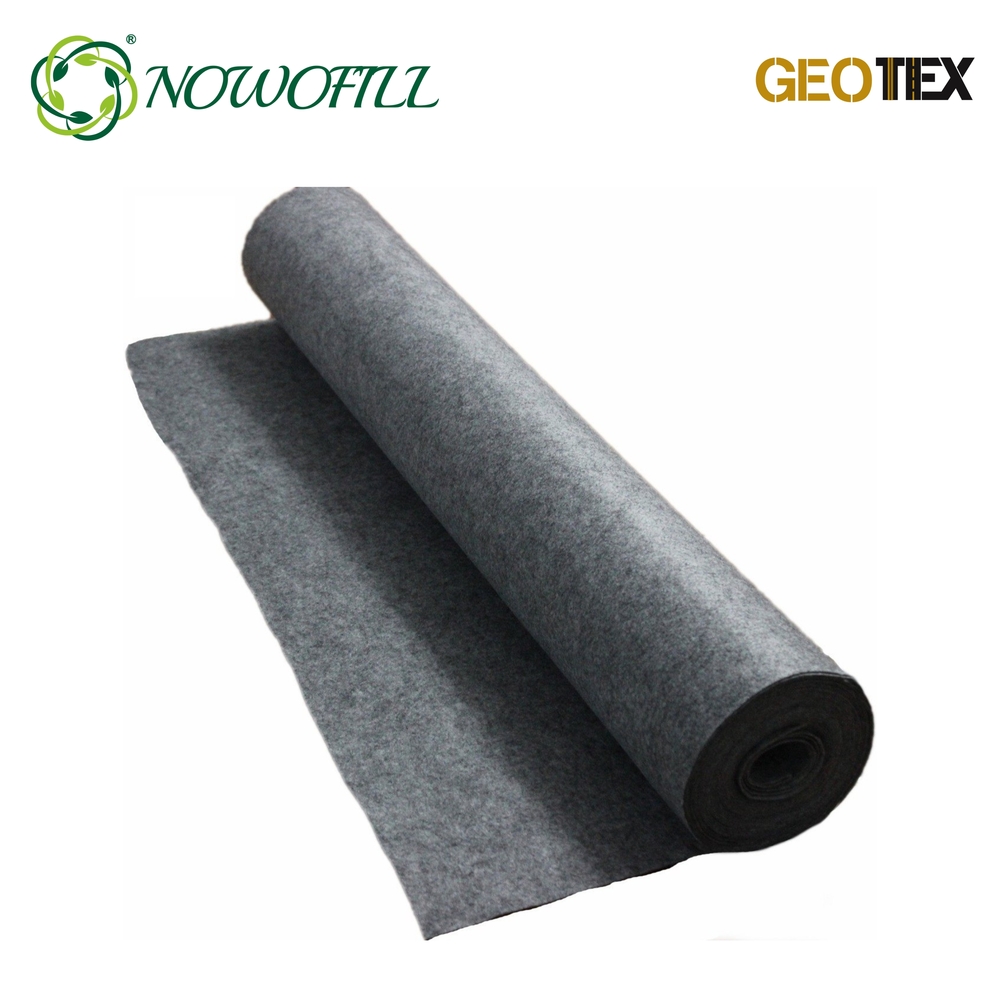
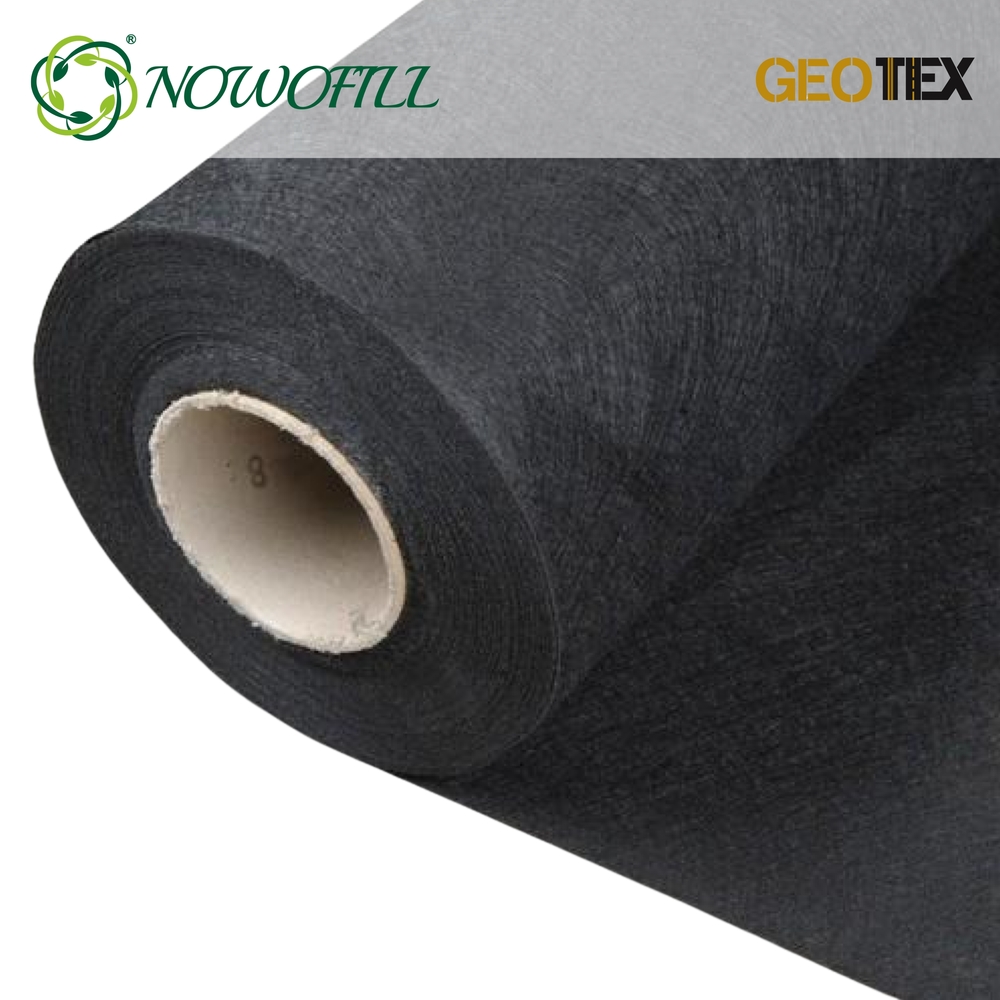
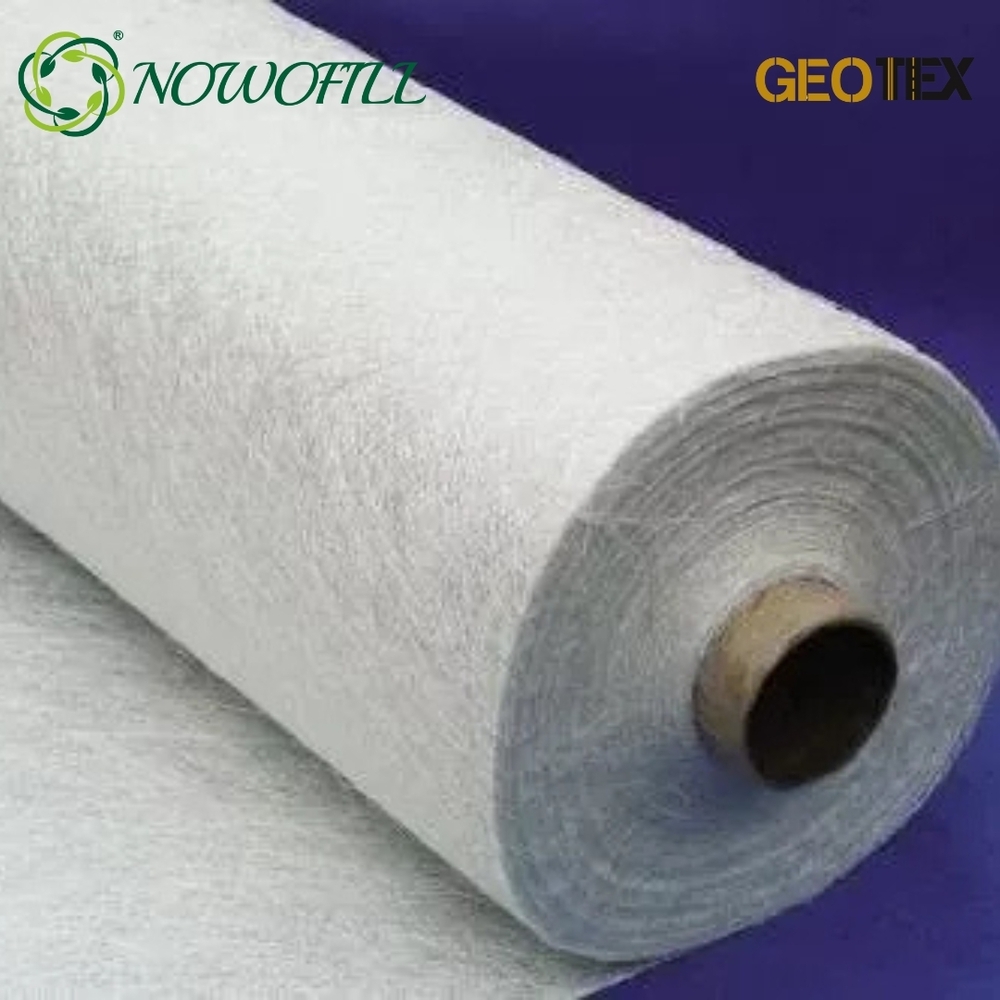
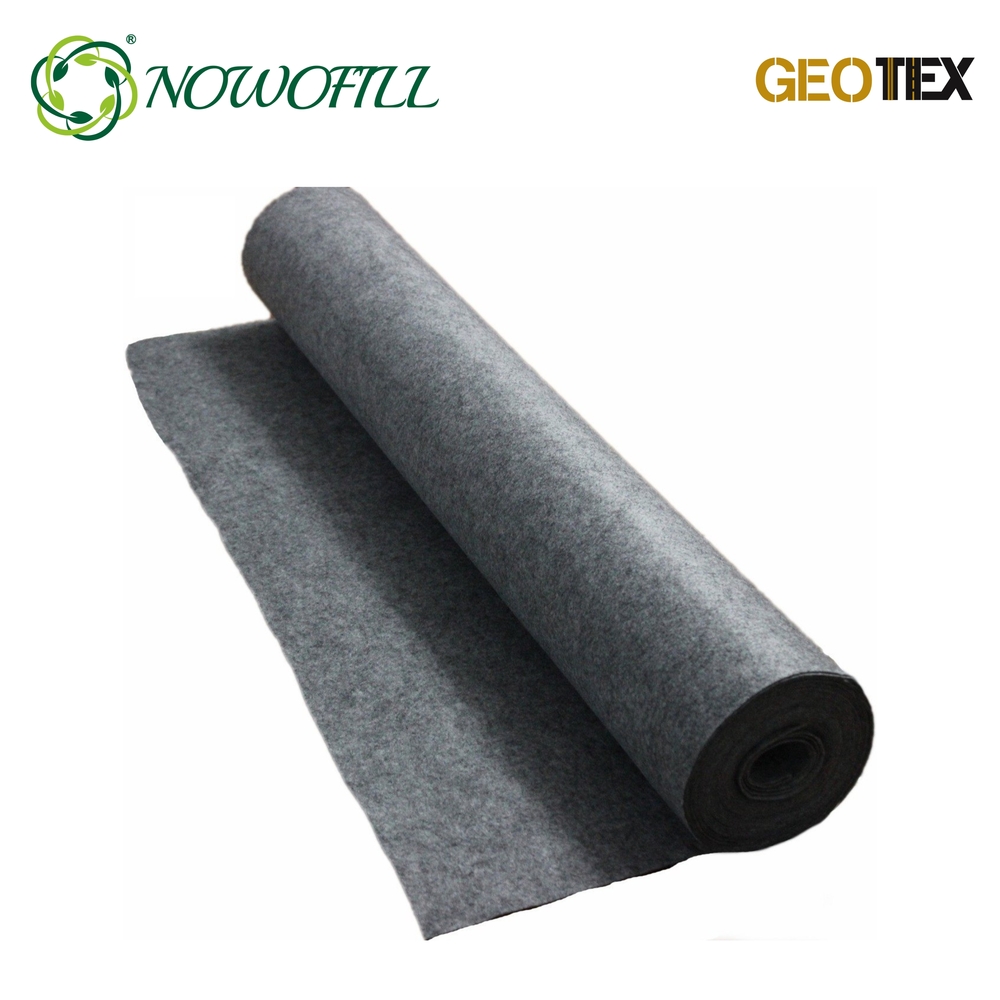
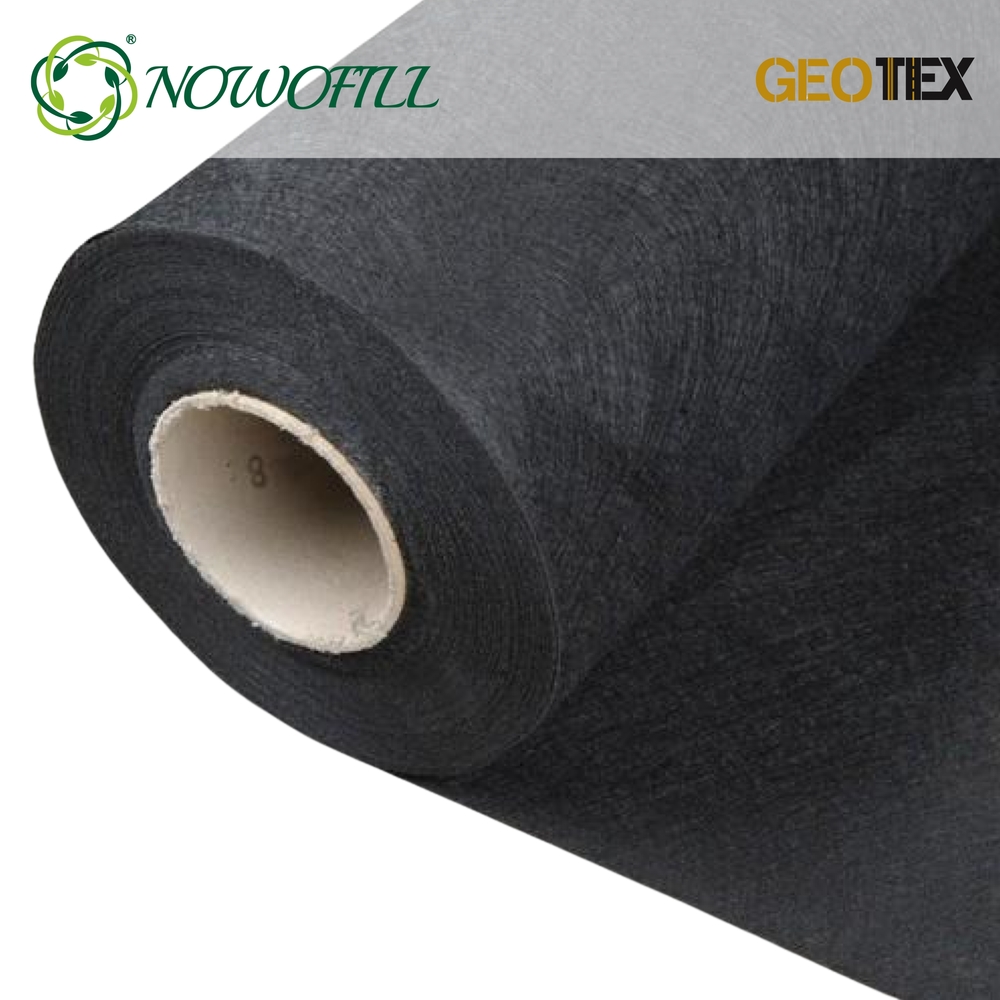
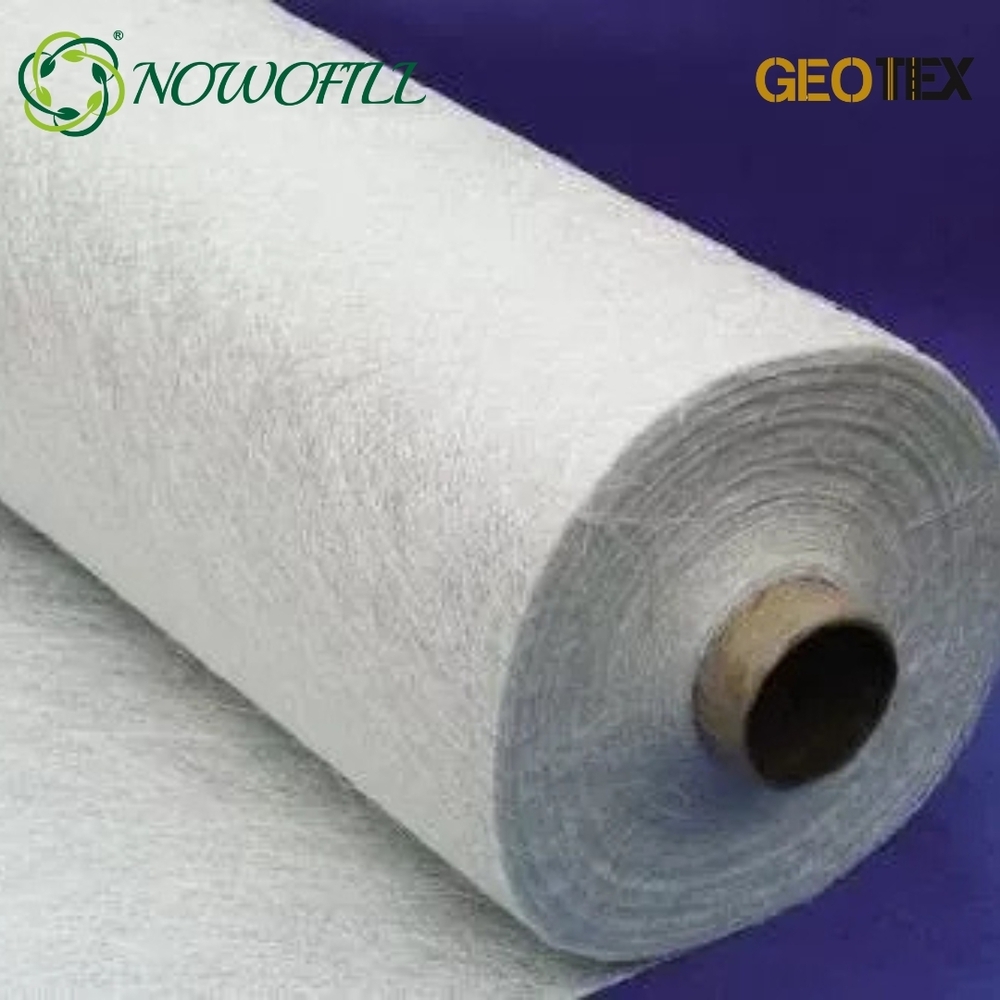
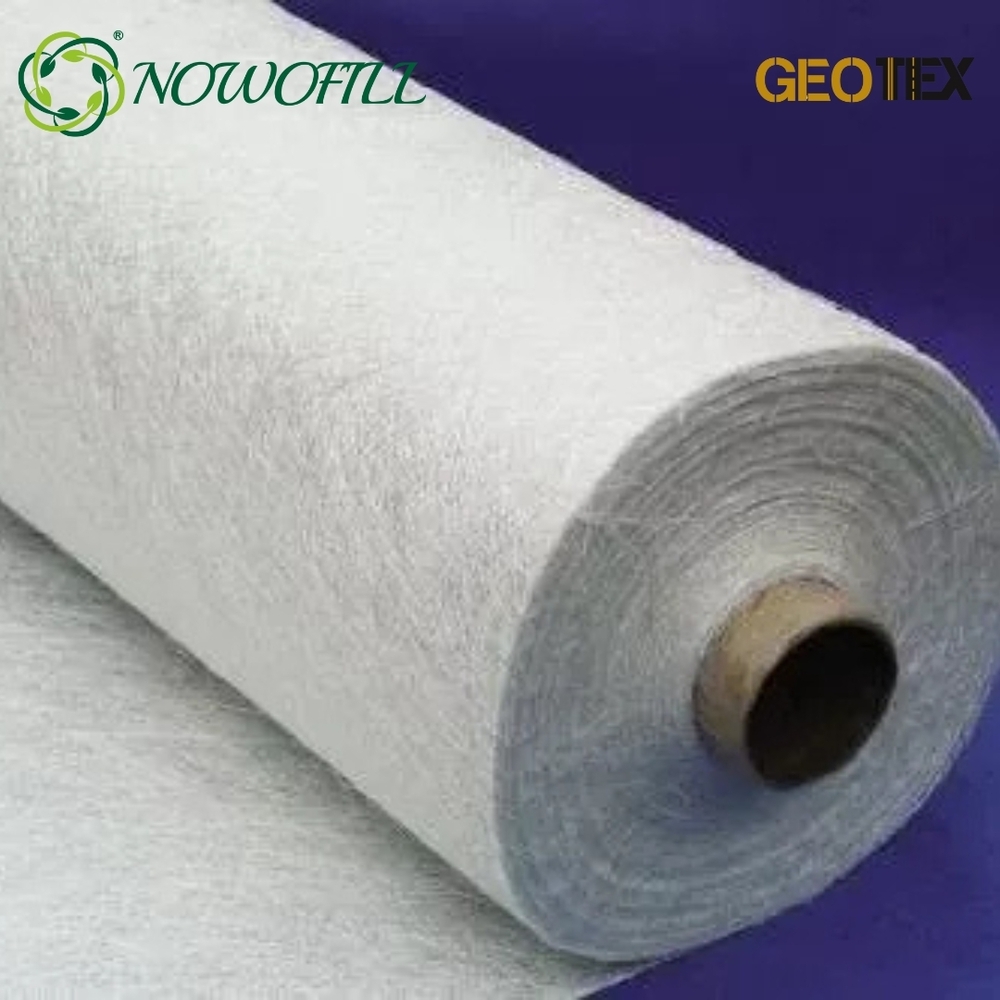
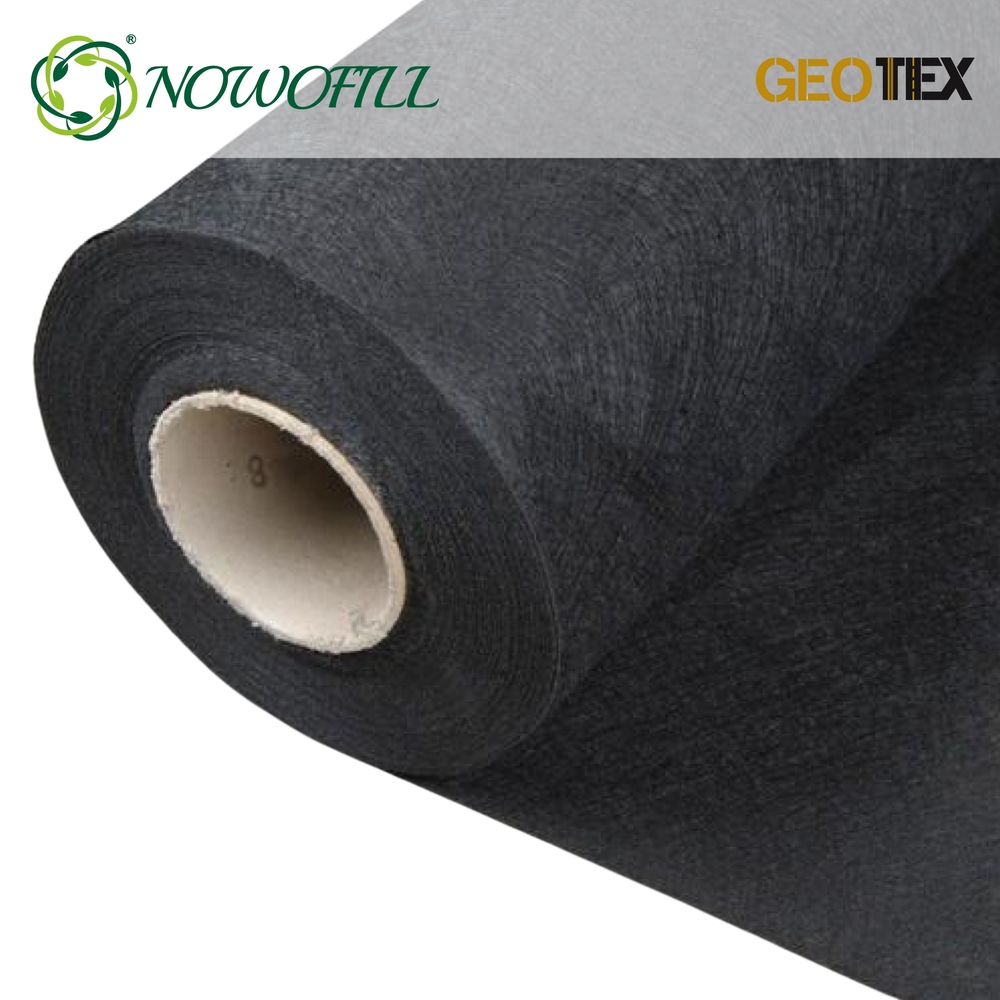
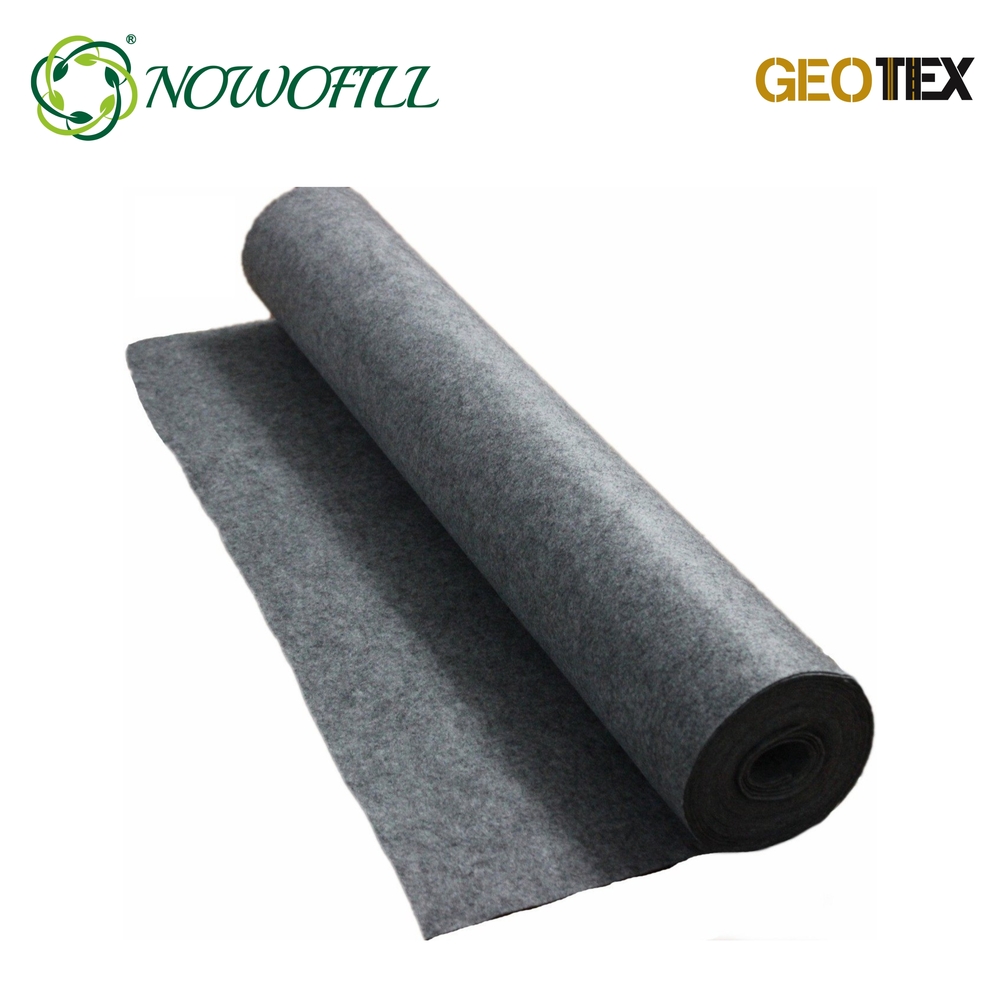
Geotextile Fabrics.
Price 25 INR/ Meter
Geotextile Fabrics. Specification
- Print Type
- Plain
- Usage & Applications
- Filling material
- Fabric Type
- Geotextile
- GSM
- 200
- Width
- 40-45 Inch (in)
- Application
- Drainage and filtration layers
- Color
- White
- Material
- Polyester
- Georgette Texture
- Plain
- Georgette Style
- Non Woven
- Length x Width
- 1000 Meter (m)
Geotextile Fabrics. Trade Information
- Minimum Order Quantity
- 1000 Meter
- FOB Port
- LDPE Jute
- Payment Terms
- Paypal, Cash in Advance (CID)
- Delivery Time
- 5 Days
- Sample Available
- Yes
- Sample Policy
- Contact us for information regarding our sample policy
- Main Export Market(s)
- Asia, Australia, Central America, North America, South America, Eastern Europe, Western Europe, Middle East, Africa
About Geotextile Fabrics.
Nowowfill Nonwoven Geotextile Fabrics are engineered from polypropylene or polyester fibers using needle-punching or thermal bonding techniques. These fabrics offer superior filtration, separation, drainage, and soil reinforcement properties, making them essential in civil and geotechnical projects. They prevent soil erosion, enhance load distribution, and improve structural stability in roads, railways, embankments, and landfills, ensuring long-lasting performance and environmental protection in infrastructure applications.
Tell us about your requirement

Price:
Quantity
Select Unit
- 50
- 100
- 200
- 250
- 500
- 1000+
Additional detail
Mobile number
Email

More Products in Geotextile Products Category
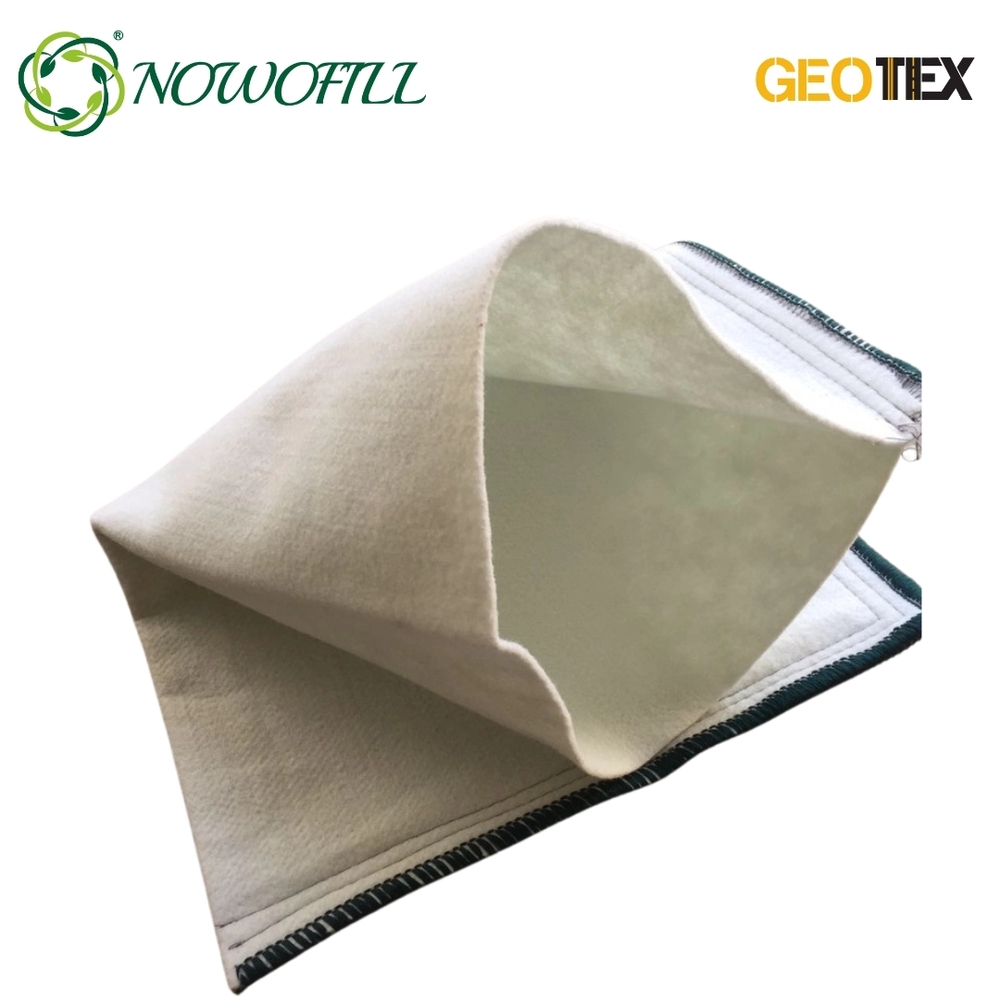
Geo Bags. Fabric
Price 50 INR / Piece
Minimum Order Quantity : 1000 Pieces
Georgette Style : Non Woven
Fabric Type : Geotextile
Usage & Applications : Filling material
Print Type : Plain
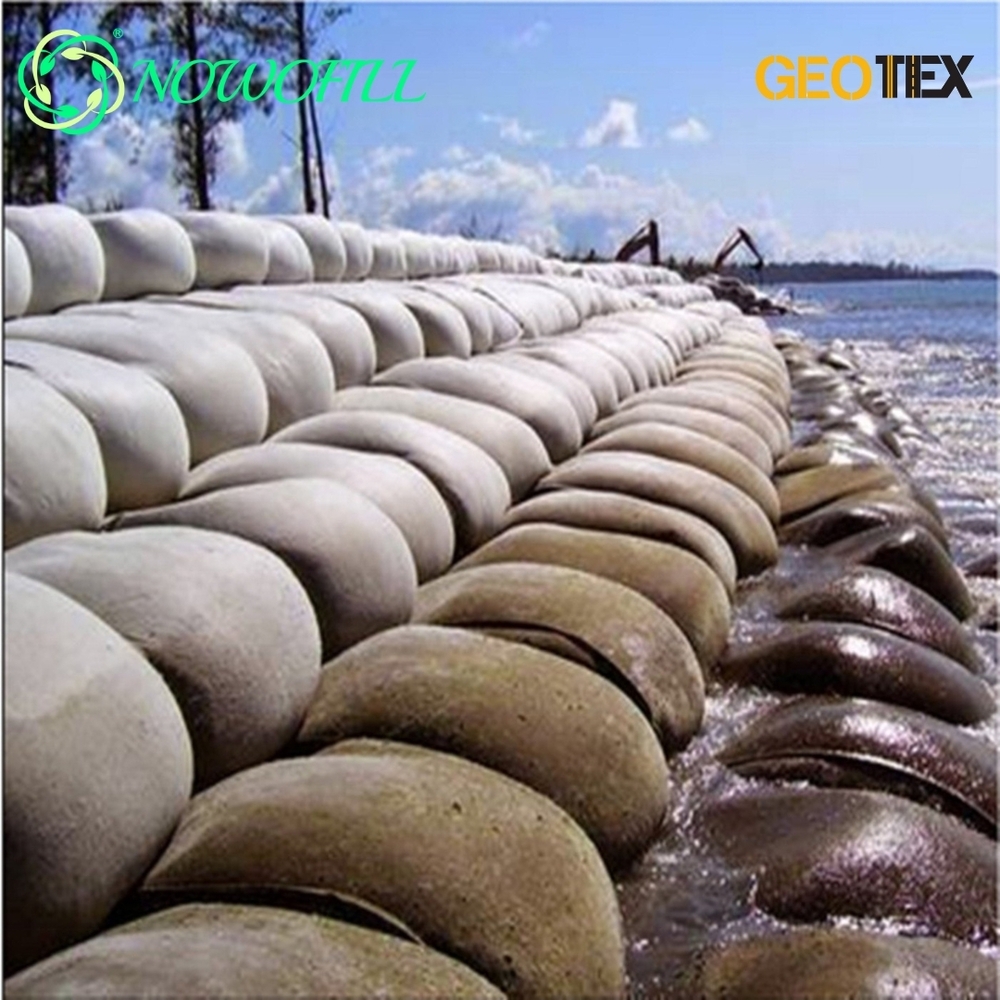
Geobags For River Banks.
Price 70 INR / Piece
Minimum Order Quantity : 5000 Pieces
Georgette Style : Non Woven
Fabric Type : Geotextile
Usage & Applications : Filling material
Print Type : Plain
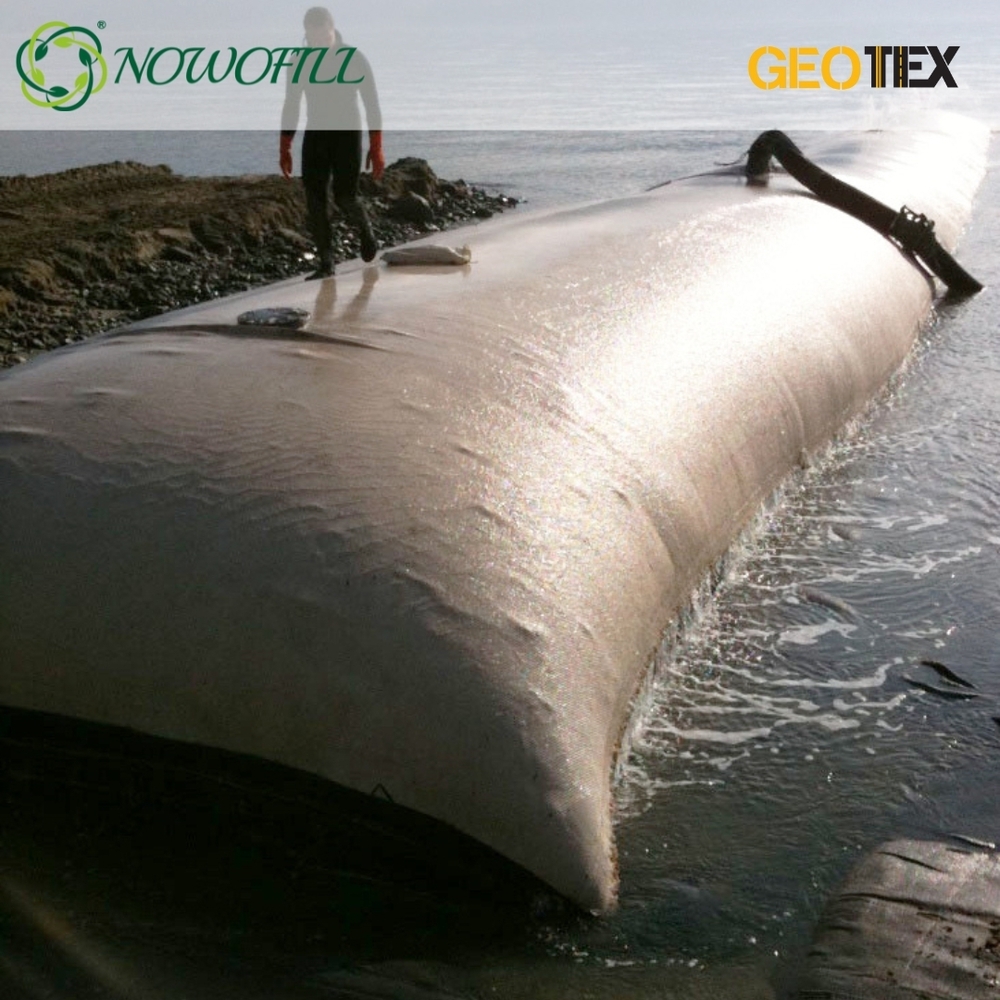
Geobags For Bank.
Price 65 INR / Square Meter
Minimum Order Quantity : 1000 Square Meters
Georgette Style : Non Woven
Fabric Type : Geotextile
Usage & Applications : Filling material
Print Type : Plain
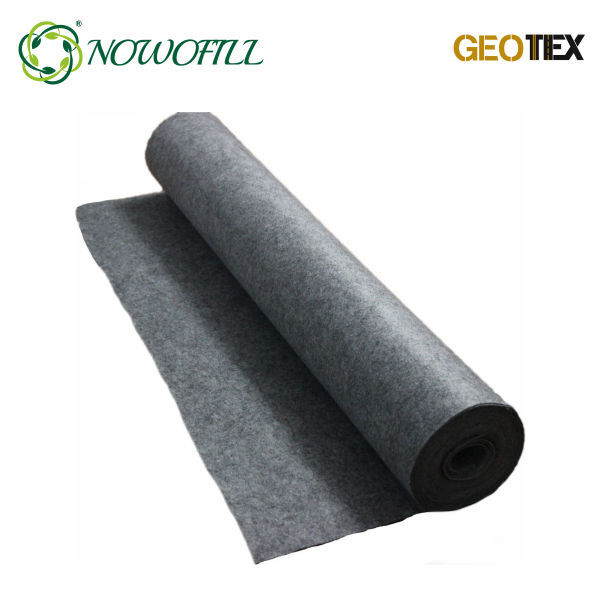
Non Woven Geotextile .
Price 22 INR / Square Meter
Minimum Order Quantity : 5000 Square Meters
Georgette Style : Non Woven
Fabric Type : Geotextile
Usage & Applications : Filling material
Print Type : Plain

 Send Inquiry
Our Products
- Geotextlie Non Wovens Fabric
- Filter Media Non Woven
- Polywadding PolyFill
- Needle Punch Felt
- Cotton Wadding
- Colored Felt
- Flame Retardant
- Insulation Fabric
- Cushion Fillers
- Infrastructure
- Polyester Staple Fibres
- Computerized Quilting Job Work
- Geotextile Products
- Acoustic Panels
- Non Woven Geotextile Fabrics
- MLV Sheet
- Home & Kitchen Textile
- Wemp Lining
- Polyester wadding fabric
- Cotton wadding
- Recron Fiber Sheet
- Insulation Material
- Wool Wadding
- Micro wadding
- Bamboo Wadding
- Filter media
- Needle Punch
- Non Woven Fabrics
- Automobile Insulation Felt
- Polyfill
- Speaker Felts
- Polyester Felt
- Silk Wadding Polyfill


Ginni House, Plot No.- 85/86, Burmese Colony, Near Transport Nagar,Jaipur - 302004, Rajasthan, India

Mr Nitin Poddar
(Director-Marketing)
Mobile :08045479224
 Send Inquiry
 Send SMS
 Call Me Free
Developed and Managed by Infocom Network Private Limited.


